Home
Our products
Hot selling products
Bifacial Solar Panels
Monocrystalline Solar Panels
Pediatric
Polycrystalline Solar Panels
Thin - Film Solar Panels
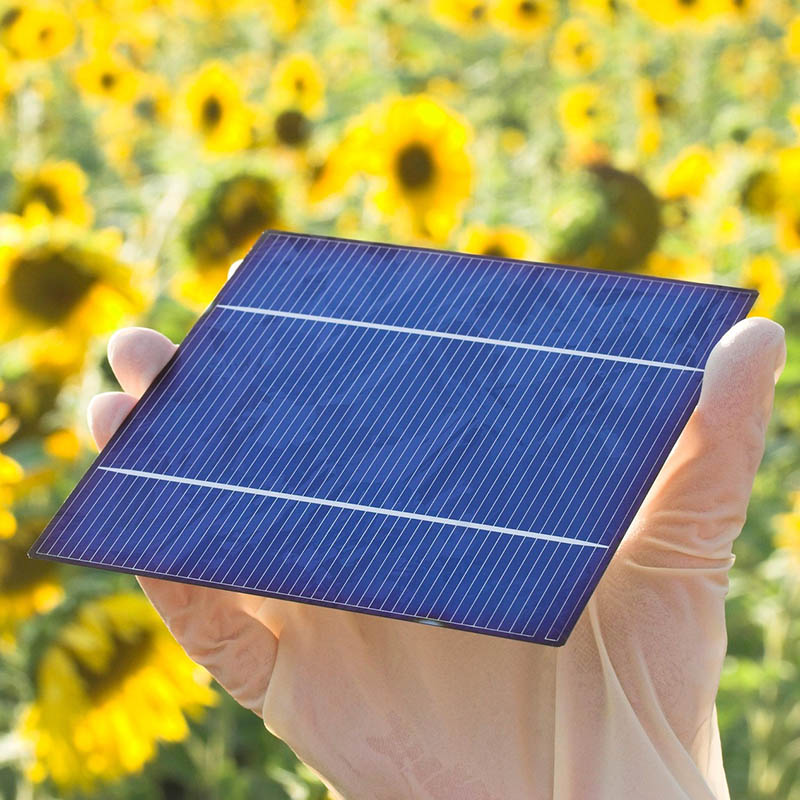
High-efficiency energy-saving solar panels are green energy solutions designed specifically for modern homes, industrial and commercial settings, and outdoor emergency needs, with "high-efficiency conversion, long-lasting durability, and intelligent convenience" as their core design concepts.
Monocrystalline Solar Panels
Polycrystalline Solar Panels desc
Thin - Film Solar Panels desc
Energy-saving solar panels
High-efficiency conversion, long-lasting durability, smart and convenient
Explore More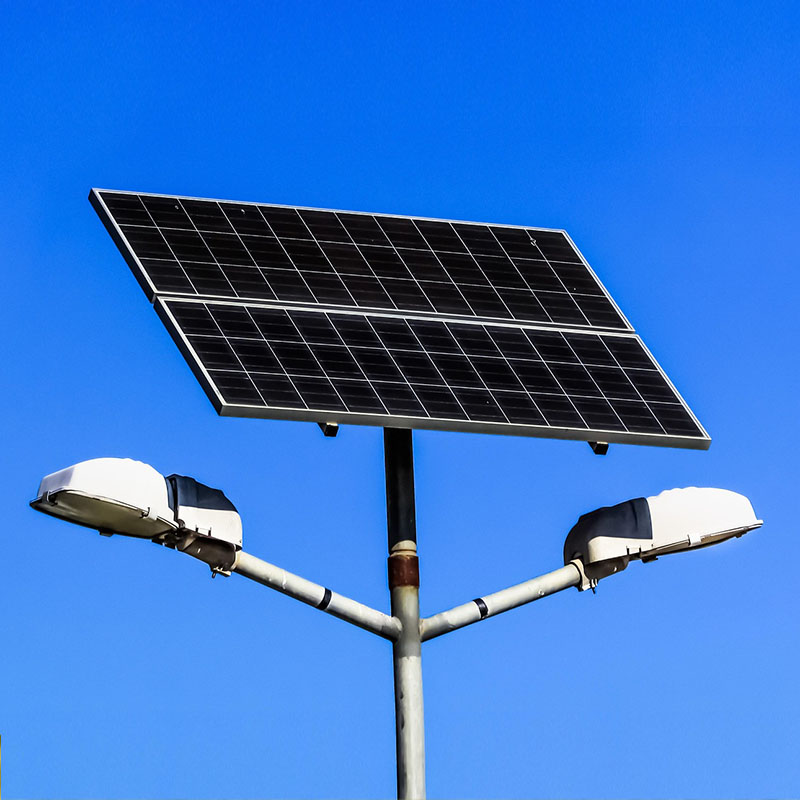
Energy-saving solar panels
High-efficiency conversion, long-lasting durability, smart and convenient
Explore More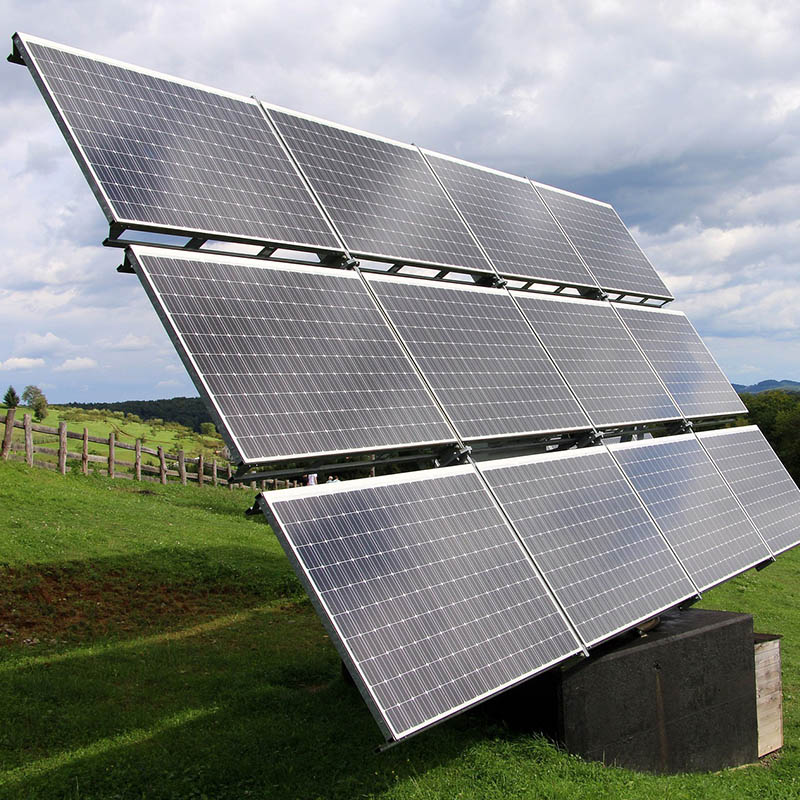
Energy-saving solar panels
High-efficiency conversion, long-lasting durability, smart and convenient
Explore MoreEnergy-saving solar panels
High-efficiency conversion, long-lasting durability, smart and convenient
Explore MoreEnergy-saving solar panels
High-efficiency conversion, long-lasting durability, smart and convenient
Explore MoreEnergy-saving solar panels
High-efficiency conversion, long-lasting durability, smart and convenient
Explore MoreEnergy-saving solar panels
High-efficiency conversion, long-lasting durability, smart and convenient
Explore More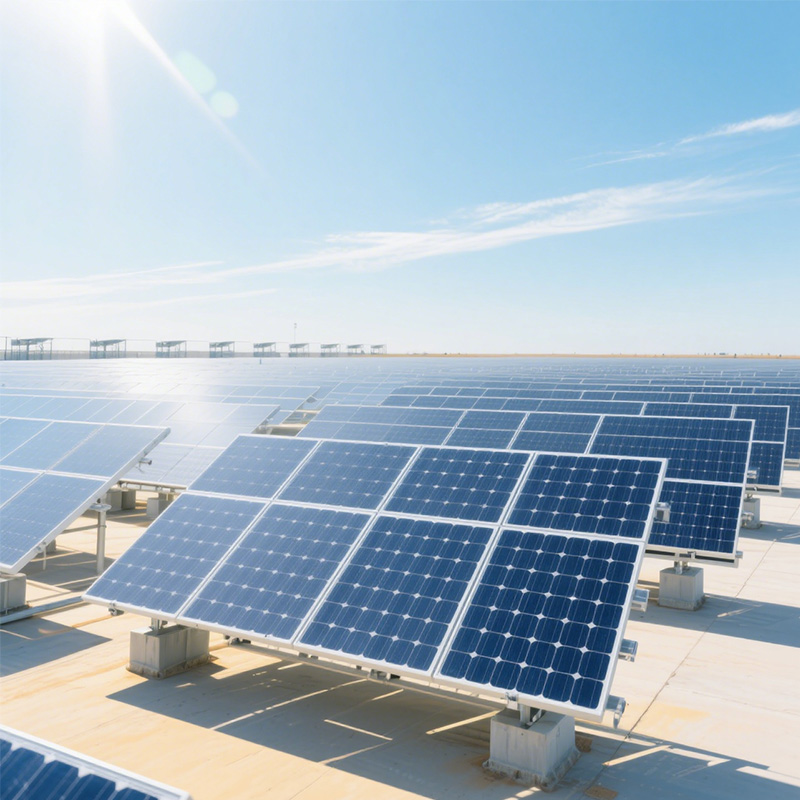
Energy-saving solar panels
High-efficiency conversion, long-lasting durability, smart and convenient
Explore MoreEnergy-saving solar panels
High-efficiency conversion, long-lasting durability, smart and convenient
Explore MoreEnergy-saving solar panels
High-efficiency conversion, long-lasting durability, smart and convenient
Explore MoreEnergy-saving solar panels
High-efficiency conversion, long-lasting durability, smart and convenient
Explore MoreEnergy-saving solar panels
High-efficiency conversion, long-lasting durability, smart and convenient
Explore MoreEnergy-saving solar panels
High-efficiency conversion, long-lasting durability, smart and convenient
Explore MoreEnergy-saving solar panels
High-efficiency conversion, long-lasting durability, smart and convenient
Explore MoreEnergy-saving solar panels
High-efficiency conversion, long-lasting durability, smart and convenient
Explore MoreEnergy-saving solar panels
High-efficiency conversion, long-lasting durability, smart and convenient
Explore MoreEnergy-saving solar panels
High-efficiency conversion, long-lasting durability, smart and convenient
Explore MoreEnergy-saving solar panels
High-efficiency conversion, long-lasting durability, smart and convenient
Explore MoreEnergy-saving solar panels
High-efficiency conversion, long-lasting durability, smart and convenient
Explore MoreEnergy-saving solar panels
High-efficiency conversion, long-lasting durability, smart and convenient
Explore MoreEnergy-saving solar panels
High-efficiency conversion, long-lasting durability, smart and convenient
Explore MoreEnergy-saving solar panels
High-efficiency conversion, long-lasting durability, smart and convenient
Explore MoreEnergy-saving solar panels
High-efficiency conversion, long-lasting durability, smart and convenient
Explore MoreEnergy-saving solar panels
High-efficiency conversion, long-lasting durability, smart and convenient
Explore MoreEnergy-saving solar panels
High-efficiency conversion, long-lasting durability, smart and convenient
Explore MoreEnergy-saving solar panels
High-efficiency conversion, long-lasting durability, smart and convenient
Explore MoreOur Service
Service
Service
Produced from polycrystalline silicon ingots, these panels have a blue and white speckled appearance.
Learn More
Service
Produced from polycrystalline silicon ingots, these panels have a blue and white speckled appearance.
Learn More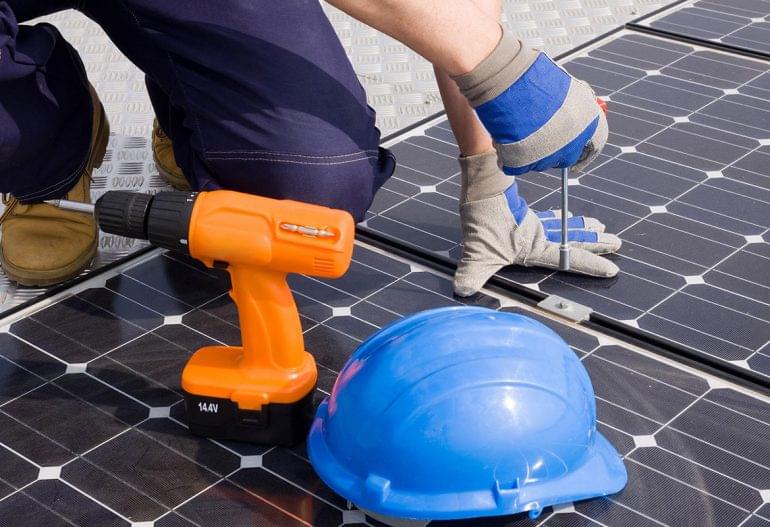
Service
Produced from polycrystalline silicon ingots, these panels have a blue and white speckled appearance.
Learn MoreOur Case
Case
Case
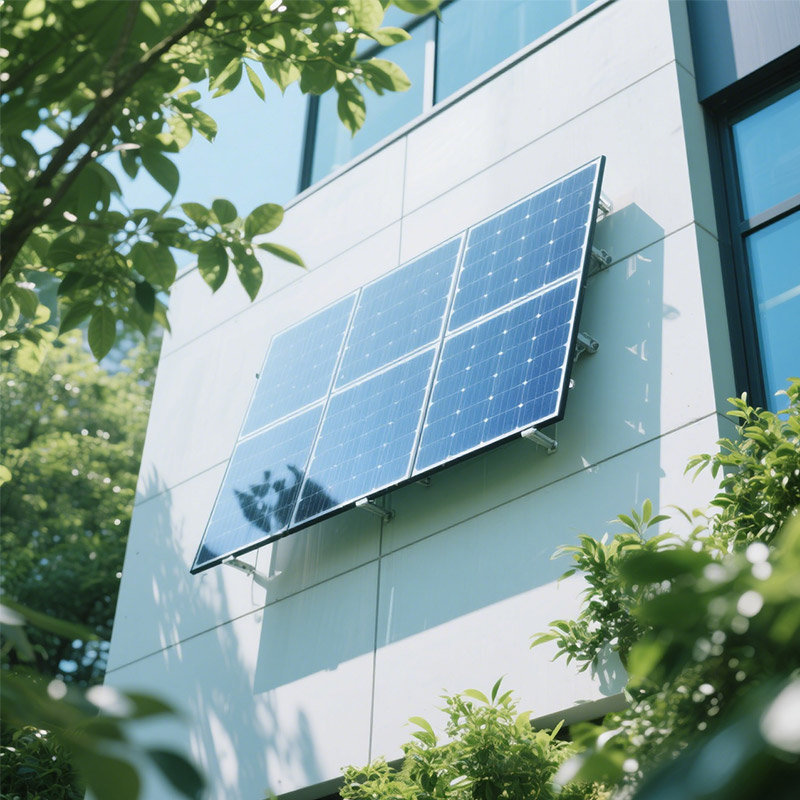
Designed for connection to the public power grid, these panels work with grid-connected inverters to feed the generated electricity into the grid or use it on-site.
Case
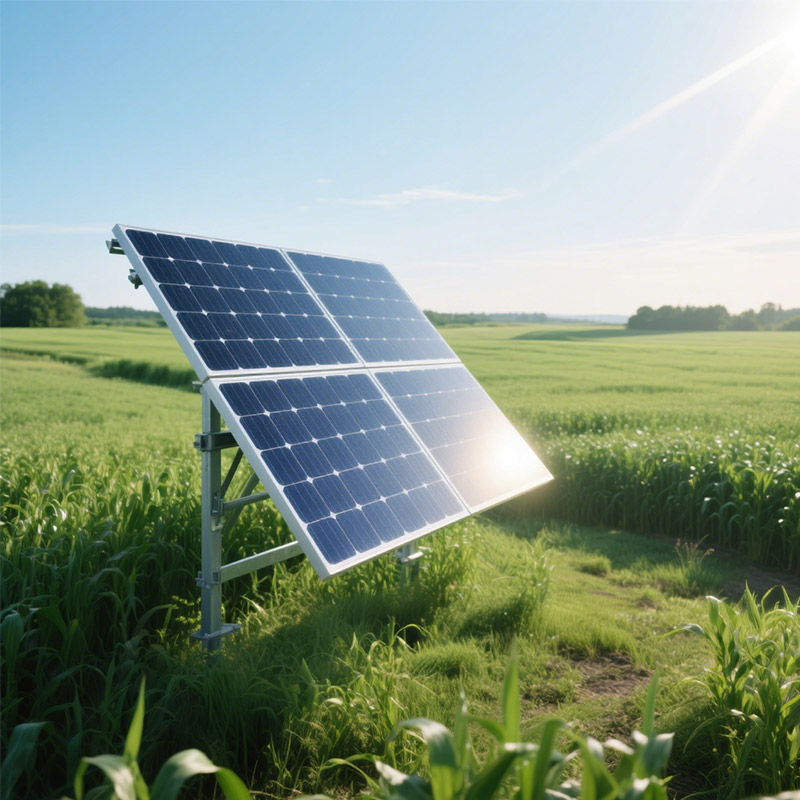
Designed for connection to the public power grid, these panels work with grid-connected inverters to feed the generated electricity into the grid or use it on-site.
Case
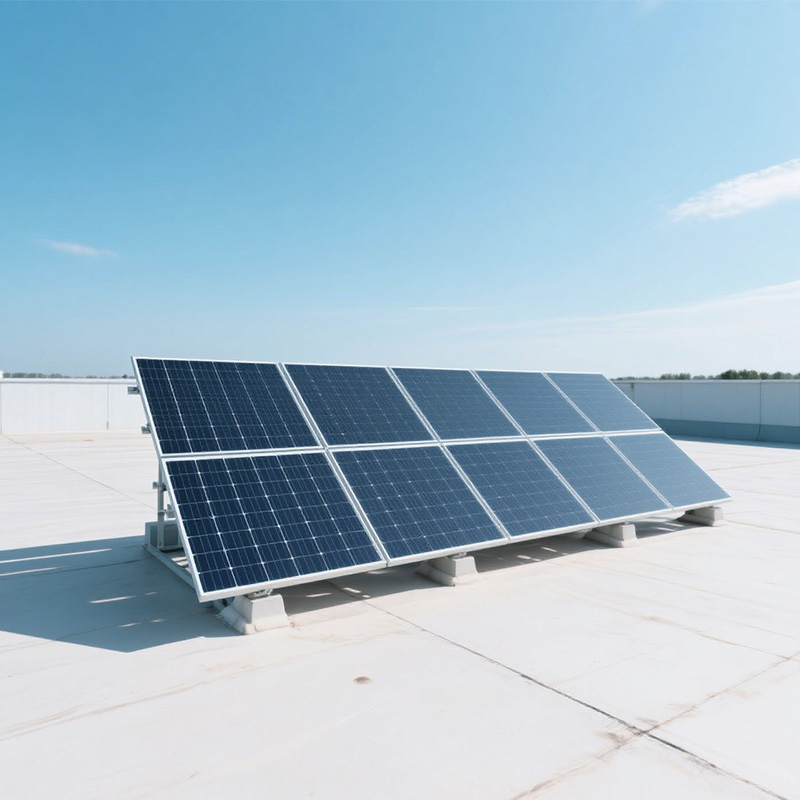
Designed for connection to the public power grid, these panels work with grid-connected inverters to feed the generated electricity into the grid or use it on-site.
Our Solution
Solution
Aerospace
Designed for connection to the public power grid, these panels work with grid-connected inverters to feed the generated electricity into the grid or use it on-site.
Agriculture
Designed for connection to the public power grid, these panels work with grid-connected inverters to feed the generated electricity into the grid or use it on-site.
Leading The Way In Building And Civil Construction
We Are Ready For Solar Energy, All We Need Is To Use It Well!
6,154
Projects Completed In Last 5 Years
2,512
Qualified Employees & Workers With Us
241
Awards Milestones Awarded To Us
About Us
Made of high-purity monocrystalline silicon wafers, these panels feature a uniform dark blue or black appearance. They boast the highest photoelectric conversion efficiency (currently 22%-26% for mainstream products) and excellent temperature coefficient, meaning their power output is less affected by high temperatures. With strong durability, their service life can reach 25-30 years. However, the complex production process leads to relatively higher costs. They are widely used in residential rooftops, commercial buildings, and other scenarios where space is limited and high efficiency is required.
Recent Articles
News & Announcements
Filing Solar Power Permits in 2020? Consider the Following Important Factors
The key requirement of this work package is the development of a database (and supporting summary report),
compiling information for potential renewable energy business and technology solutions to help overcome environmental and climatic challenges in the NPA programme region. Technology solutions cover installation, operation and maintenance of equipment, not the design and manufacture of components.
The objective of the database is to identify the main environmental and climatic challenges, and outline technological and business solutions to these challenges, creating a database of these for 8 different categories of renewable energy technology. It is designed for use by new and existing renewable energy businesses, to inform them of the challenges they may face in developing their business and how these will be overcome.
A range of examples (where available) have been highlighted on how the challenges identified have been overcome.
Specific regional related innovations and smart solutions from local business on technology driven RE-solutions have been documented, with the intention of passing on this knowledge to other regions in the NPA not involved in the GREBE Project.
Global climate change impacts Europe in many ways, including:
changes in average and extreme temperature and precipitation, warmer oceans, rising sea level and shrinking snow and ice cover on land and at sea. These weather phenomenons have led to a range of impacts on ecosystems, socio-economic sectors and human health and safety. There is no doubt that the changes in climate will have a strong impact in our daily life, whether we accept extreme weather conditions as a new phenomenon or not.
Government Incentives Drive Solar Panel Installation Boom
Adaptation to the past history data, present observed and future predicted impacts will in the coming decades be needed, as well as be complementary to global climate mitigation actions. Narvik Science Park has made a report on this in the GREBE-Project.
Explore More
Solar Panel Technology Advances: What’s Next for the Industry?
The key requirement of this work package is the development of a database (and supporting summary report), compiling information for potential renewable energy business and technology solutions to help overcome environmental and climatic challenges in the NPA programme region. Technology solutions cover installation, operation and maintenance of equipment, not the design and manufacture of components.
The objective of the database is to identify the main environmental and climatic challenges, and outline technological and business solutions to these challenges, creating a database of these for 8 different categories of renewable energy technology. It is designed for use by new and existing renewable energy businesses, to inform them of the challenges they may face in developing their business and how these will be overcome.
A range of examples (where available) have been highlighted on how the challenges identified have been overcome. Specific regional related innovations and smart solutions from local business on technology driven RE-solutions have been documented, with the intention of passing on this knowledge to other regions in the NPA not involved in the GREBE Project.
Global climate change impacts Europe in many ways, including: changes in average and extreme temperature and precipitation, warmer oceans, rising sea level and shrinking snow and ice cover on land and at sea. These weather phenomenons have led to a range of impacts on ecosystems, socio-economic sectors and human health and safety. There is no doubt that the changes in climate will have a strong impact in our daily life, whether we accept extreme weather conditions as a new phenomenon or not.
Adaptation to the past history data, present observed and future predicted impacts will in the coming decades be needed, as well as be complementary to global climate mitigation actions. Narvik Science Park has made a report on this in the GREBE-Project.
Explore MoreRecycling Solar Panels: A Growing Industry’s Challenges and Opportunities
The key requirement of this work package is the development of a database (and supporting summary report), compiling information for potential renewable energy business and technology solutions to help overcome environmental and climatic challenges in the NPA programme region. Technology solutions cover installation, operation and maintenance of equipment, not the design and manufacture of components.
The objective of the database is to identify the main environmental and climatic challenges, and outline technological and business solutions to these challenges, creating a database of these for 8 different categories of renewable energy technology. It is designed for use by new and existing renewable energy businesses, to inform them of the challenges they may face in developing their business and how these will be overcome.
A range of examples (where available) have been highlighted on how the challenges identified have been overcome. Specific regional related innovations and smart solutions from local business on technology driven RE-solutions have been documented, with the intention of passing on this knowledge to other regions in the NPA not involved in the GREBE Project.
Global climate change impacts Europe in many ways, including: changes in average and extreme temperature and precipitation, warmer oceans, rising sea level and shrinking snow and ice cover on land and at sea. These weather phenomenons have led to a range of impacts on ecosystems, socio-economic sectors and human health and safety. There is no doubt that the changes in climate will have a strong impact in our daily life, whether we accept extreme weather conditions as a new phenomenon or not.
Adaptation to the past history data, present observed and future predicted impacts will in the coming decades be needed, as well as be complementary to global climate mitigation actions. Narvik Science Park has made a report on this in the GREBE-Project.
Explore More